
Laser Tattoo Removal Aftercare: What to Expect and How to Heal Properly
Proper laser tattoo removal aftercare is essential for ensuring your skin heals correctly, minimizing side effects, and achieving optimal fading of your unwanted ink. It involves keeping the treated area clean and protected, managing common reactions like swelling and redness, avoiding sun exposure, and allowing your body’s natural healing mechanisms to work effectively between sessions.
At Bod Medical, every laser tattoo removal treatment is performed with utmost care. With over 20 years of experience, Dr. Bradley Bodner and his team ensure your procedure is not only effective but also comes with a clear plan for your recovery.
What to Expect After Laser Tattoo Removal
Understanding the healing journey is the first step toward a successful outcome. Your skin will go through several predictable stages as it recovers and as your body begins to eliminate the shattered ink particles.
Immediate Effects: The First 24 Hours
Immediately following your session, you will notice a white, frosted appearance on the treated area. This is a temporary and expected reaction called “frosting,” caused by the rapid heating of ink pigment, creating small gas bubbles in the skin. This effect typically subsides within 15-30 minutes. Dr. Bodner will apply a soothing ointment and a protective dressing to the area before you leave the office.
Common Reactions: Redness, Swelling, Discomfort
It is completely normal for the treated skin to feel like it has a mild to moderate sunburn. You can expect to see redness and feel some swelling and tenderness in the area for the first day. These are signs that the laser has effectively targeted the ink and your body is initiating its natural healing response.
How to Care for Your Skin Right Away
For the first 24 hours, the most important thing is to let the area rest. Keep the initial dressing clean and dry as instructed by Dr. Bodner. You can use a cool compress over the bandage (but not directly on the skin) for 10-15 minute intervals to help reduce swelling and soothe discomfort.
The Healing Process: Stages and Timeline
The journey to removing a tattoo is a process, not a single event. Healing occurs in stages, both immediately after a session and in the weeks that follow.
Inflammation & Frosting (Day 1): The immediate post-treatment phase with redness, swelling, and frosting.
Blistering & Scabbing (Days 2-7): As the skin heals, small blisters or scabs may form. This is a normal part of the process and indicates your body is repairing the skin. It is crucial not to pick or pop them.
Peeling & Itching (Week 2): As scabs and blisters resolve, the skin underneath will heal. The area may become dry, flaky, and itchy.
Fading & Resolution (Weeks 2-8): During this time, the skin surface returns to normal. More importantly, your body’s immune system is actively working to flush away the ink particles that were shattered by the laser. The fading you see is a result of this internal process.
What Happens in the First Week
During the first week, your primary focus should be on keeping the area clean and protected to prevent infection. You may see blisters form and then begin to dry out. The initial redness and swelling will gradually subside. The tattoo itself may look darker or more vibrant during this phase, which is normal before the fading becomes apparent.
Weeks 2-4
By the second week, most scabs or blisters will have healed. The skin might appear slightly pink or have a different texture, which will continue to normalize. Itching is common during this period; a good moisturizer can help. This is when you may start to notice the initial fading of the tattoo as your body carries away the ink fragments.
Long-Term Healing Between Sessions
The most significant work happens between your appointments. At Bod Medical, we space sessions several weeks apart (typically 6-8 weeks) to give your body ample time to heal and clear the shattered ink. Our unique Triple Laser Advantage, using PicoWay, PicoSure, and Medlite lasers, effectively breaks down all ink colors. This is complemented by acoustic sound wave therapy, which helps stimulate circulation and supports your body’s ability to flush out the ink particles.
How Long Does Tattoo Removal Take to Heal?
After each session, the superficial layer of your skin typically heals within 1-2 weeks. However, the complete healing process, including the internal clearance of ink, takes about 6-8 weeks. This is why sessions are scheduled accordingly.
Signs Your Tattoo Removal is Fully Healed
You’ll know the area is fully healed and ready for the next session when the skin returns to its normal color and texture, and there are no remaining scabs, blisters, or peeling.
Laser Tattoo Removal Aftercare: How to Heal Properly
Following a strict aftercare routine is your contribution to the success of the treatment. Dr. Bodner provides every patient with a detailed, personalized plan, but the core principles remain the same.
Keep the Area Clean and Protected
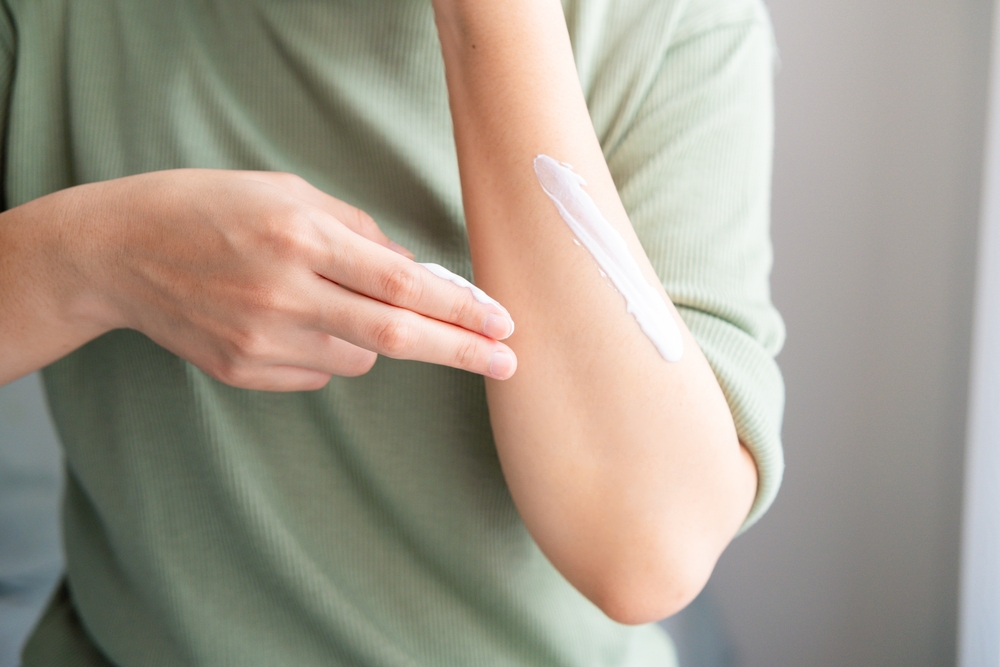
After removing the initial dressing (as per Dr. Bodner’s instructions, usually after 24 hours), gently wash the area with a mild soap and lukewarm water. Do not scrub. Pat the area dry with a clean, soft towel – do not rub. Apply a thin layer of the recommended antibiotic ointment and cover with a sterile, non-stick bandage. Repeat this process daily for the first 3-5 days.
Manage Swelling and Discomfort
Cool compresses can be your ally for the first 48 hours. Apply them over a clean cloth for 10-15 minutes at a time to reduce swelling.
Avoid Sun Exposure
The sun is the enemy of healing skin. Keep the treated area completely covered with clothing or a bandage whenever you are outdoors.
Do Not Pick or Scratch
This is the single most important rule. Picking at scabs or popping blisters can lead to infection, permanent scarring, and poor results. Allow your skin to heal naturally. If itching is severe, a gentle pat or a cool compress can provide relief.
Typical Side Effects
Redness and Swelling: Expected for 24-72 hours post-treatment.
Blistering and Scabbing: Common and a sign of effective healing. Blisters are pockets of fluid that protect the underlying skin.
Itching and Irritation: Occurs as the skin repairs itself, similar to a healing cut.
Hyperpigmentation or Hypopigmentation: A temporary darkening or lightening of the skin. This is more common in darker skin tones but usually resolves over time, especially when sun exposure is avoided.
Managing Side Effects
How to Deal with Swelling & Blistering: Use cool compresses for swelling. For blisters, apply the recommended ointment and keep them covered and protected. Do not drain them. If a blister breaks on its own, clean the area and apply ointment and a bandage.
Relief for Itching and Irritation: A fragrance-free moisturizer can alleviate dryness and itching. You can also gently pat the area. If itching is intense, consult with our office about using an over-the-counter antihistamine.
What Would Make Healing Take Longer
Certain factors can slow your healing, including smoking, poor nutrition, underlying health conditions like diabetes, and, most commonly, failing to follow aftercare instructions like picking at scabs or exposing the area to the sun.
Conclusion
Healing well after laser tattoo removal is just as important as the treatment itself. By keeping the area clean, protecting it from the sun, and resisting the urge to pick or scratch, you give your body the best possible chance to flush out the ink and repair your skin.
Every person’s healing journey is a little different, but with the right aftercare and a trusted medical team guiding you, clear skin is well within reach. At Bod Medical, Dr. Bodner and his team are with you every step of the way – from your first session to your last. If you have any concerns during your recovery, don’t hesitate to reach out to our office.

About the Author
Dr. Bradley Bodner
April 28, 2026