
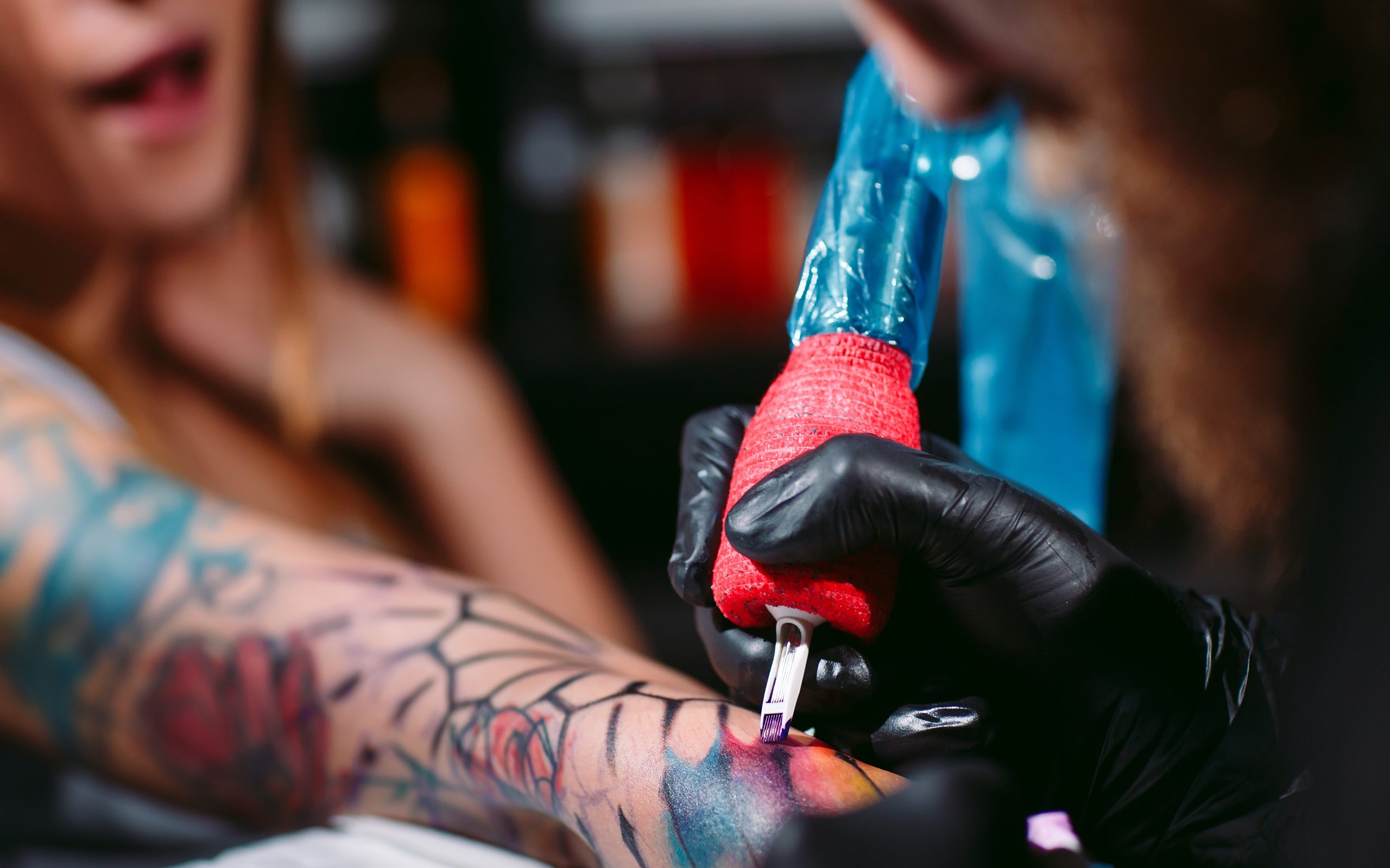
Tattoo regret is more common than most people think – and so is the hope that laser removal can wipe the slate completely clean. The good news is that modern laser technology can dramatically fade or fully remove most tattoos. The honest answer, though, is that not every color responds the same way, and some are significantly harder to eliminate than others. Knowing why – and what can be done about it – helps you walk into any consultation with realistic expectations and real confidence.
When a laser targets a tattoo, it works by sending concentrated pulses of light into the skin. The ink absorbs that light energy, heats up rapidly, and shatters into tiny particles that your immune system then flushes away over the following weeks. It sounds straightforward, but here’s the catch: different ink colors absorb different wavelengths of light.
Think of it like wearing a black shirt versus a white shirt on a sunny day. The black shirt absorbs heat; the white one reflects it. Tattoo ink behaves similarly. Lasers are tuned to specific wavelengths, and a wavelength that obliterates black ink may pass right through a bright yellow or white pigment without making a dent.
This is why color is one of the first things a skilled practitioner evaluates when assessing a tattoo for removal.
Some colors are genuinely well-suited to laser removal, and patients with these tattoos tend to see the fastest, most complete results:
Black ink – The gold standard. Black absorbs nearly all laser wavelengths, making it the easiest color to break down. Most black tattoos can be removed with excellent results over a series of sessions.
Dark blue and dark green – These respond very well, particularly with Nd:YAG and Ruby lasers tuned to the right wavelengths.
Dark red and brown – Generally responsive, though results can vary depending on the specific pigment used by the original tattoo artist.
If your tattoo is primarily dark ink, you’re in a favorable position from the start.
Lighter and brighter colors tend to be more stubborn. They reflect more light rather than absorbing it, which means standard laser settings need to be adjusted – or additional laser types brought in:
Green (especially bright or neon green) – Notoriously tricky. It often requires a specific laser type, such as a Ruby or Alexandrite laser, and typically needs more sessions than darker inks.
Yellow and orange – These light-spectrum colors are difficult to target without causing skin irritation, since the wavelengths that affect them are closer to those absorbed by the skin itself.
Light blue and turquoise – Can be stubborn depending on the pigment blend.
White ink – This one surprises many people. White ink can paradoxically darken when hit with certain lasers before it can begin to fade, requiring a very careful, experienced approach.
Fluorescent or UV-reactive inks – These are among the most challenging due to their unique chemical composition.
This doesn’t mean these colors can’t be removed – it means they require more precision, potentially more sessions, and ideally a clinic with access to multiple laser wavelengths.
One of the biggest factors in whether a multi-colored tattoo can be successfully removed isn’t just the ink – it’s the equipment in the room.
Older single-wavelength lasers were limited. They could handle one or two ink types effectively, but struggled with the rest. Modern facilities now use advanced systems – particularly Pico lasers (short for picosecond lasers) – that deliver energy in ultra-short pulses, creating a photoacoustic shattering effect rather than relying purely on heat. This approach is more effective across a broader color range and tends to be gentler on surrounding skin.
Many clinics, including Bod Medical, use combination laser protocols, switching between devices to target different colors within the same tattoo. A practitioner who can assess your specific inks and tailor the approach accordingly is far more likely to achieve the outcome you’re looking for.
Color is one piece of the puzzle. Several other factors influence how completely a tattoo can be removed:
Tattoo age – Older tattoos have often already started to break down naturally and tend to respond faster than fresh ink.
Ink density – Heavily saturated tattoos (think a bold traditional style) require more sessions than lighter linework.
Skin tone – Laser settings must be carefully calibrated for darker skin tones to avoid hypopigmentation or hyperpigmentation. An experienced practitioner knows how to adjust parameters safely.
Your immune system – Since your body does the clearing work between sessions, overall health, hydration, and avoiding smoking can meaningfully affect your results.
Tattoo placement – Areas with good circulation (like the upper back or chest) respond faster than extremities like feet or fingers.
Amateur vs. professional tattoos – Counterintuitively, amateur tattoos often fade faster. The ink sits at inconsistent depths and is usually less saturated.
Here’s what you should genuinely expect going into laser tattoo removal: most tattoos can be significantly faded, and many can be completely removed. Complete removal typically takes anywhere from 6 to 12+ sessions spaced several weeks apart, depending on the factors above. Multi-colored tattoos, especially those with greens, yellows, or whites, may sit at the higher end of that range.
This isn’t a reason to feel discouraged. It’s a reason to choose a clinic that’s transparent with you, uses advanced technology, and creates a personalized treatment plan rather than a one-size-fits-all approach.
A good consultation should include a frank conversation about your specific colors, your skin type, and a realistic timeline. You deserve that clarity before you commit.
Laser tattoo removal can remove or dramatically fade most colors. Black and dark inks are the most straightforward. Greens, yellows, whites, and fluorescent pigments require more sessions and more specialized equipment, but they’re far from impossible. The key is working with a clinic that has the right technology and the experience to match the treatment to your tattoo – not the other way around.
At Bod Medical, we assess every patient individually, because your tattoo is not generic, and your removal plan shouldn’t be either. If you’ve been wondering whether your specific colors can be treated, the best next step is a consultation – no pressure, just clear information so you can make the right decision for you.

About the Author
Dr. Bradley Bodner
April 29, 2026