
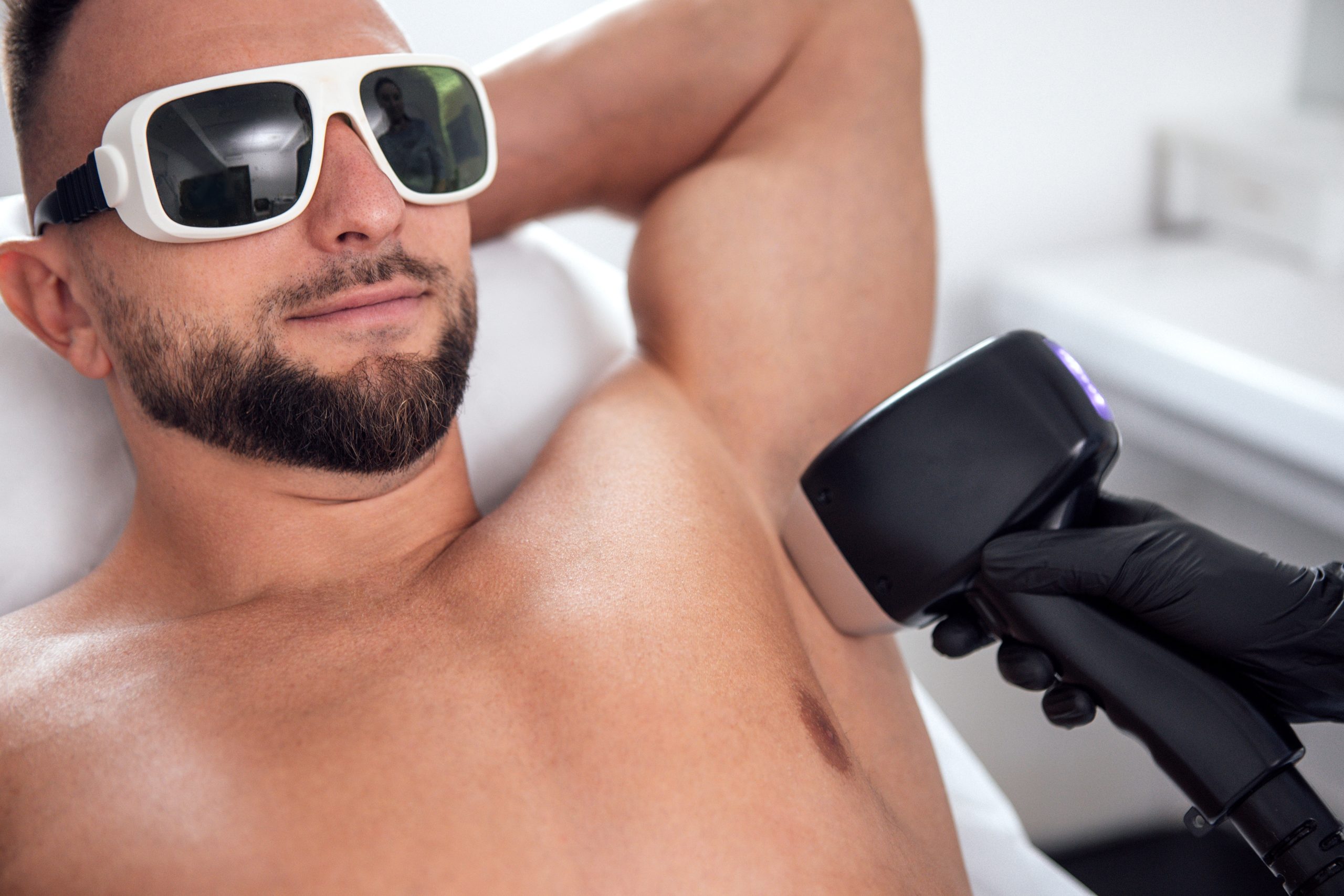
Laser hair removal for men is a medical aesthetic treatment that uses concentrated light to damage hair follicles, leading to a long-term reduction in hair on the back, chest, shoulders, neck, and other areas. Most men need a series of sessions spaced several weeks apart, and the result is significantly less hair that grows back finer and lighter. Laser hair removal is now one of the most requested aesthetic treatments among men because it cuts down on shaving, waxing, and the irritation that comes with them.
This article is a guide to laser hair removal for men. It covers how the treatment works, who it suits, what sessions feel like, and how to care for your skin afterward. At Bod Medical, we offer laser hair removal as part of our aesthetic services, and the information below reflects the questions men ask us most often.
Men’s hair is different from women’s hair in ways that matter for laser treatment. Male body and facial hair tends to be thicker, darker, and denser. It also often covers larger areas, such as the full back or chest. These traits affect how a laser treatment is planned, how many sessions are needed, and how the skin responds.
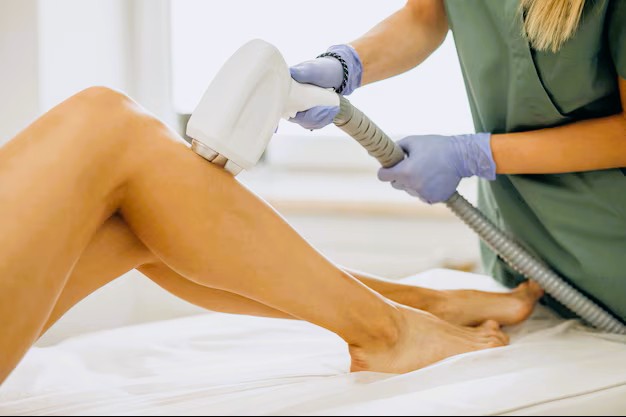
The good news is that coarse, dark hair is often well suited to laser treatment. The laser targets pigment in the hair, so darker hair absorbs the light efficiently. That is one reason many men see clear progress after only a few sessions.
Laser hair removal is not a one-time fix. It works over time, in step with the natural growth cycle of your hair. Understanding that cycle helps set realistic expectations from the start.
Grooming habits among men have changed. More men now treat body hair as something they can manage on their own terms rather than something they have to live with. Laser hair removal gives them a way to reduce hair for the long term without daily or weekly upkeep.
Men choose laser hair removal for practical reasons as much as for appearance. Common benefits include:
Less time spent grooming. Shaving the back, chest, or neck takes time and often requires help. Fewer hairs mean less maintenance.
Fewer ingrown hairs. Men with coarse, curly hair often get painful ingrown hairs and razor bumps, especially on the neck and beard line. Reducing the hair reduces the problem at its source.
Smoother skin. Shaving can leave stubble and shadowing within a day. Laser treatment reduces regrowth so the skin stays smoother longer.
Less irritation. Waxing and shaving can cause redness, cuts, and razor burn. Laser hair removal avoids that repeated trauma to the skin.
Defined grooming lines. Many men use laser treatment to clean up the neckline or shape the beard so it looks tidy without constant edging.
Long-term savings of time. Once a treatment series is complete, upkeep is usually limited to an occasional touch-up session.
Confidence plays a role too. Many men feel self-conscious about back or shoulder hair at the pool, at the gym, or in a fitted shirt. Reducing that hair can make everyday situations more comfortable.
Athletes and active men have their own reasons for choosing laser hair removal. Swimmers and cyclists have long removed body hair for performance, and laser treatment makes that easier to maintain over a season.
Other athletes choose it for comfort and hygiene. Less body hair can mean less trapped sweat, less odor, and less chafing during long workouts or runs. Men who get regular sports massage, use athletic tape, or wear compression gear often find that reduced hair makes these routines more comfortable. Tape comes off with less pulling, and gear sits more smoothly against the skin.
Bodybuilders and fitness competitors also use laser hair removal so muscle definition shows clearly without the need to shave before every event.
Laser hair removal relies on a simple principle. Dark pigment absorbs light, and absorbed light turns into heat. When that heat reaches the hair follicle, it damages the structures that produce new hair.
The pigment in hair is called melanin. A laser sends a specific wavelength of light into the skin, and the melanin in the hair shaft absorbs it. The light energy becomes heat, which travels down the shaft to the follicle. This heat disables the follicle’s ability to grow new hair while leaving the surrounding skin largely unaffected.
Timing matters because hair grows in cycles. Each follicle moves through three phases:
Growth phase. The hair is actively growing and attached to the follicle. This is when laser treatment works well.
Transition phase. The hair stops growing and begins to detach.
Resting phase. The old hair sheds, and the follicle eventually starts a new cycle.
At any given time, only a portion of your hairs are in the growth phase. A single session can only affect those hairs. That is why treatment is done as a series. Each session reaches a new group of follicles as they enter the growth phase.
Laser hair removal is a widely used, nonsurgical treatment with a strong safety record when it is performed by trained staff using settings matched to the patient. The key to safety is customization. Skin tone, hair color, hair thickness, and the area being treated all influence the right laser settings.
Darker skin tones contain more melanin, so settings must be chosen carefully to target the hair rather than the surrounding skin. A proper evaluation before treatment helps make sure the approach fits your skin. Sun exposure also matters. Tanned skin is more sensitive to laser energy, which is why we ask patients to avoid tanning before and during a treatment series.
Laser hair removal is performed under the oversight of Dr. Bodner at our office.
Most men experience only mild, temporary skin reactions after a session. These are normal signs that the skin and follicles have absorbed laser energy. They include:
Redness in the treated area
Small bumps around the follicles, similar to goosebumps
A warm, sunburn-like feeling
Mild tenderness
These effects usually fade within a few hours to a couple of days. A cool compress and gentle skin care help the skin settle. If you notice anything that concerns you after a session, our team can talk through it with you.
Many men are good candidates for laser hair removal. The ideal candidate has hair that contains enough pigment for the laser to target. Dark hair responds well across many skin tones when settings are chosen correctly.
Good candidates generally:
Have dark brown or black hair in the area they want treated
Are in good overall health
Can avoid sun exposure and tanning during the treatment series
Are willing to commit to multiple sessions spaced over several months
Have realistic expectations about hair reduction rather than total removal
Laser hair removal works on pigmented hair. Hair that is blond, red, gray, or white contains little melanin, so the laser has very little to target. Men with mostly light or gray hair in a treatment area may see limited results.
Laser treatment may also need to be postponed in certain situations, such as:
A recent sunburn or deep tan in the treatment area
An active skin infection, open wound, or rash where treatment is planned
Use of medications that increase sensitivity to light
Certain skin conditions that could flare with treatment
Tattoos are another consideration. A laser aimed at hair removal should not pass over tattooed skin, since the ink also absorbs light. Men who want to clear a tattoo can learn about laser tattoo removal as a separate treatment.
A consultation is the place to review your health history, medications, and skin type so your plan is built around you.
Men can treat almost any area with unwanted hair. The most requested areas include:
Back. The single most common area for men. Back hair is hard to manage alone, and laser treatment covers the area efficiently.
Shoulders. Often treated together with the back for an even result.
Chest. Some men want full removal, while others prefer thinning to reduce density.
Abdomen. Often treated with the chest for a consistent look.
Neck and beard line. Popular for men with razor bumps and ingrown hairs. Treating the neck lets the beard keep a clean edge.
Cheeks. Used to shape the upper beard line so it stays defined.
Arms and legs. Common among athletes and men who prefer a smoother look.
Ears and nose surface. Visible hair on the outer ear or upper cheekbone can be treated with care.
Underarms. Some men treat this area to reduce sweat buildup and odor.
Men can choose full removal in an area or a thinning approach. For example, a man may want a lighter chest without making it completely bare. Your plan can be tailored to the look you want.
Knowing what to expect makes the first session easier. Most men are surprised by how quickly treatment moves, especially on smaller areas.
Most men describe the sensation as a quick snap, similar to a rubber band flicking against the skin. Some also feel a brief warmth. The discomfort is usually short and tolerable.
Sensitivity varies by area. Bony or thin-skinned areas, such as the upper lip, neck, and shoulders, may feel more intense. Areas with dense, coarse hair can also feel stronger in early sessions because there is more pigment absorbing the light. As hair thins over the series, many men find later sessions more comfortable.
Cooling during and after treatment helps keep the skin comfortable.
Session length depends mostly on the size of the area. Small areas, such as the neck or beard line, can take only a few minutes. Larger areas, such as the full back or chest, take longer. Treating several areas in one visit extends the session.
Because there is no downtime, many men fit treatment into a lunch break or before or after work and return to their normal routine the same day.
Most men need about six to eight sessions to see significant hair reduction. Some areas with especially dense, coarse hair may need more. Facial and neck hair, which is influenced by hormones, often requires additional sessions compared with areas such as the legs.
Sessions are usually spaced several weeks apart. This spacing allows new follicles to enter the growth phase so each session reaches hair the previous one missed. The exact number of sessions depends on your hair color, hair thickness, skin type, and treatment area.
Laser hair removal is described as long-term hair reduction rather than guaranteed permanent removal. After a full series, most men see a large drop in the amount of hair. The hair that does grow back is often finer, lighter, and slower growing.
Some follicles may survive treatment or become active later. This is normal and is not a sign that the treatment failed. It simply reflects how hair growth works.
Results from a completed series last a long time for most men. Many enjoy smooth skin for years. Hormonal changes and natural aging can sometimes trigger new hair growth, especially on the face, neck, and back.
Occasional maintenance sessions keep results steady. Some men need a touch-up once or twice a year, while others need them less often.
A little preparation helps your skin respond well and makes each session more effective.
Shave the area before your session. Shaving removes hair above the skin so the laser energy goes into the follicle rather than burning surface hair. Shave a day or so before your visit to reduce skin irritation.
Do not wax, pluck, or thread. These methods pull the hair out from the root. The laser needs the hair in the follicle to work. Stop these methods for several weeks before starting treatment.
Avoid the sun and tanning. Stay out of tanning beds and limit sun exposure on the treatment area. Use sunscreen on exposed skin.
Skip self-tanners. Self-tanning products can interfere with treatment and should be stopped beforehand.
Come with clean skin. Skip lotions, deodorant, oils, and creams on the treatment area on the day of your appointment.
Share your medications. Let us know about any prescriptions or skin products you use, especially those that make skin more sensitive to light.
Each session is planned around your skin and hair. Settings are matched to your skin tone, hair color, and hair thickness, and they may be adjusted as your hair thins over the series. Eye protection is worn throughout to keep your eyes safe from the laser light.
Comfort is part of the plan. If an area feels more sensitive, settings and cooling can be adjusted. You can speak up at any time, and the session can pause if you need a moment. When the session is done, you can return to work or most daily activities right away.
There is no true downtime after laser hair removal. Good aftercare keeps the skin calm and protects your results.
Follow these aftercare steps:
Apply a cool compress or soothing gel if the area feels warm.
Avoid hot showers, saunas, steam rooms, and hot tubs for a day or two.
Skip intense workouts for about 24 hours. Heavy sweating can irritate freshly treated skin, which matters for athletes and gym regulars.
Wear loose, breathable clothing over treated areas such as the back and chest.
Use sunscreen on exposed treated skin and avoid tanning between sessions.
Do not pick, scratch, or exfoliate hard while the skin settles.
Continue to shave between sessions if needed, but avoid waxing or plucking.
In the first few days, the treated area may look red and feel mildly tender. This fades quickly.
About one to three weeks after a session, treated hairs begin to shed. Many men think the hair is growing back during this stage, but these are damaged hairs working their way out of the skin. Gentle washing helps them release. Avoid pulling them out.
After shedding, you will likely enjoy a period of smooth skin before the next group of hairs enters the growth phase. With each session, regrowth becomes thinner and patchier. Most men notice clear progress after the first few sessions, with the full effect visible once the series is complete.
At-home light-based devices are widely sold, and many men wonder whether they can get similar results without an office visit. The two options differ in power, precision, and oversight.
Professional laser treatment uses medical-grade equipment that delivers higher energy than home devices. This allows it to reach follicles more effectively and treat large areas, such as the full back, in less time.
The main advantage is customization. Trained staff evaluate your skin type and hair before choosing settings, then adjust those settings as treatment progresses. This matters for men with darker skin tones, for coarse hair, and for sensitive areas such as the neck. Treatment is carried out under medical oversight, which adds a level of safety that home use cannot match.
Professional treatment is also easier for areas you cannot see or reach, including the back and shoulders.
At-home devices use lower energy so they can be sold for personal use. Many use intense pulsed light rather than a true laser. Because their output is weaker, they often require more frequent use over a longer period, and the results tend to be less dramatic.
These devices can help some men maintain results or treat small areas. They are generally designed for lighter skin with dark hair and may not be suitable for every skin tone. Treating your own back evenly is difficult, and coverage gaps are common.
If you choose an at-home device, follow these guidelines:
Read and follow the manufacturer’s instructions carefully.
Check whether the device is designed for your skin tone and hair color.
Do a patch test on a small area and wait to see how your skin responds.
Start on the lowest setting and increase gradually only if your skin tolerates it.
Shave the area first and make sure the skin is clean and dry.
Never use the device over tattoos, moles, or broken skin.
Protect your eyes and never point the device toward them.
Avoid sun exposure on treated areas.
If you are unsure whether a home device is right for your skin, a professional evaluation can help you decide.
A Guide to Laser Hair Removal for Men comes down to a few key points. Laser treatment reduces hair by targeting pigment in the follicle, and it works on dark hair during the growth phase. Most men need six to eight sessions spaced several weeks apart, with occasional touch-ups to maintain results. Side effects are usually mild and short-lived, and good preparation and aftercare protect your skin.
At Bod Medical, laser hair removal is part of a wider range of aesthetic treatments and erectile dysfunction overseen by Dr. Bradley Bodner, MD. Our team can review your skin and hair and build a plan around the areas you want to treat.